
How to Know If Your Hair Loss is Normal and When to Consult a Specialist
The sight of hair accumulating in the shower drain or on your brush can be alarming. It’s a common experience, yet distinguishing between normal hair shedding and a more significant problem like chronic hair thinning is crucial for effective treatment. At The Elite Aesthetics in Franklin Square, we empower our clients with the knowledge to identify their specific hair concerns so we can tailor the most effective non-surgical restoration plan.
Understanding your hair’s lifecycle is the first step toward reclaiming your confidence. This comprehensive guide will help you differentiate between temporary shedding and progressive thinning, providing clarity on when your hair simply needs a break and when it requires medical attention.
Understanding the Natural Hair Growth Cycle: The Science of Shedding
To define abnormal loss, we must first understand the rhythm of healthy hair. Every hair follicle on your scalp cycles independently through three main phases:
The Anagen Phase (Growth)
This is the active growing phase, which lasts between two to seven years. Approximately 85–90% of your hair is in this stage at any given time. The length of this phase is genetically determined and is what dictates how long your hair can grow.
The Catagen Phase (Transition)
A short, two-to-three-week transitional phase. Growth stops, and the outer root sheath shrinks and attaches to the root of the hair. Only about 1% of your hair is in this phase.
The Telogen Phase (Rest and Shedding)
This phase lasts about two to four months. The hair rests, and at the end of this phase, the old hair is naturally pushed out by a new hair beginning the anagen phase. This is the shedding we observe daily. Roughly 10–15% of your hair is in this resting phase.
The Daily Count: Defining “Normal” Hair Loss
The 50-100 Hair Rule: Context and Caveats
Dermatologists generally agree that losing 50 to 100 hairs per day is within the range of normal, healthy shedding. This is simply the telogen phase concluding, making way for new growth. However, this number is a generalization. Factors like hair length, washing frequency, and brushing habits can temporarily increase this count.
When the Bathroom Drain Signals Trouble
If you wash your hair every two days, you may see 100–200 hairs come out on wash day. This is often just the accumulation of two days’ normal shedding. The signal for concern is not the absolute number, but the change in your baseline. If you suddenly see clumps—a noticeable increase of 2-3 times your normal shed, for longer than a month, this points to Excessive Shedding (Telogen Effluvium).
Identifying Excessive Hair Shedding (Telogen Effluvium)
Telogen Effluvium (TE) is a non-scarring, temporary form of hair loss characterized by a mass synchronization of hair follicles entering the resting (telogen) phase prematurely.
The Telltale Signs of Telogen Effluvium (Timing and Volume)
- Diffuse Shedding: The hair loss is spread evenly across the entire scalp, not focused on the crown or temples.
- The Shock/Trigger: Shedding typically begins 3 to 4 months after a major physical or emotional shock. This timing is critical, as it aligns with the length of the telogen phase.
- Common Triggers: These sudden, excessive shedding events are often linked to:
- Severe emotional stress or trauma.
- Major surgery or rapid weight loss.
- Postpartum hormonal shifts (Postpartum Effluvium).
- Certain medications (e.g., antidepressants, retinoids).
- Nutritional deficiencies (e.g., severe iron or zinc deficiency).
The good news is that TE is typically reversible. Once the trigger is identified and managed, the excessive shedding subsides, and hair volume usually returns to normal within six to nine months.
The Difference: Chronic Hair Thinning (Miniaturization)
Chronic hair thinning, often known as Androgenetic Alopecia (AGA) or pattern baldness, is a progressive, long-term condition. Unlike shedding, which is the follicle resting, thinning is the follicle itself shrinking, a process called miniaturization.
The Role of Genetics in Progressive Thinning
AGA is genetic, driven by the hair follicles’ sensitivity to a sex hormone called dihydrotestosterone (DHT). Over time, DHT causes the follicles to progressively shrink, producing shorter, finer, and lighter hairs until the follicle eventually becomes dormant.
How Miniaturization Affects Hair Follicles Over Time
- The Hairs Get Finer: You are not necessarily losing more hair; the hairs you are growing are simply becoming thinner (reduced diameter).
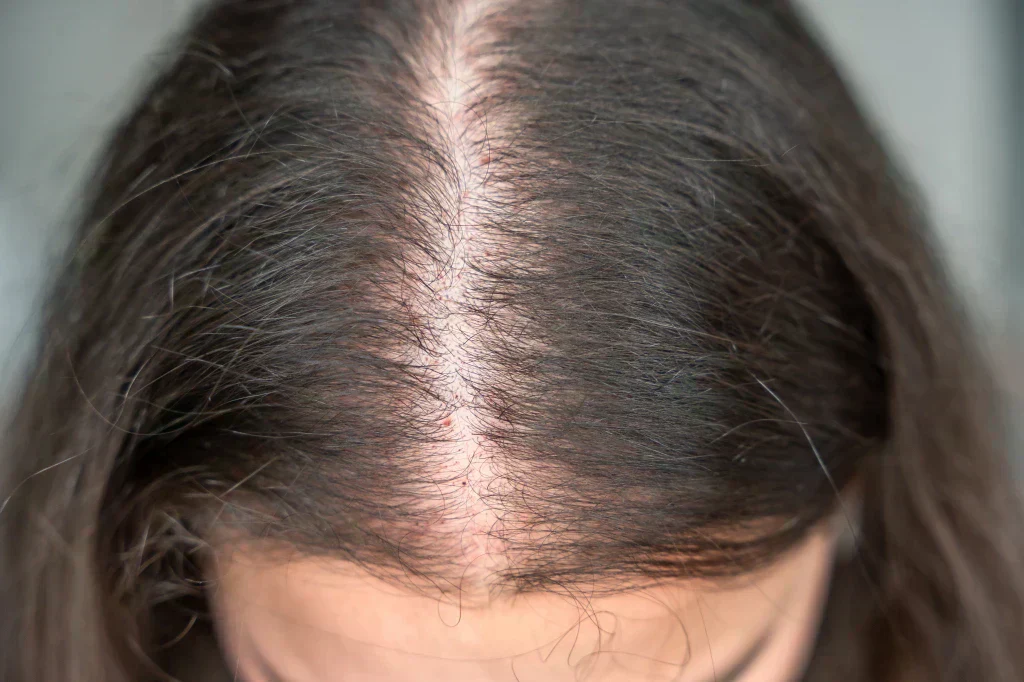
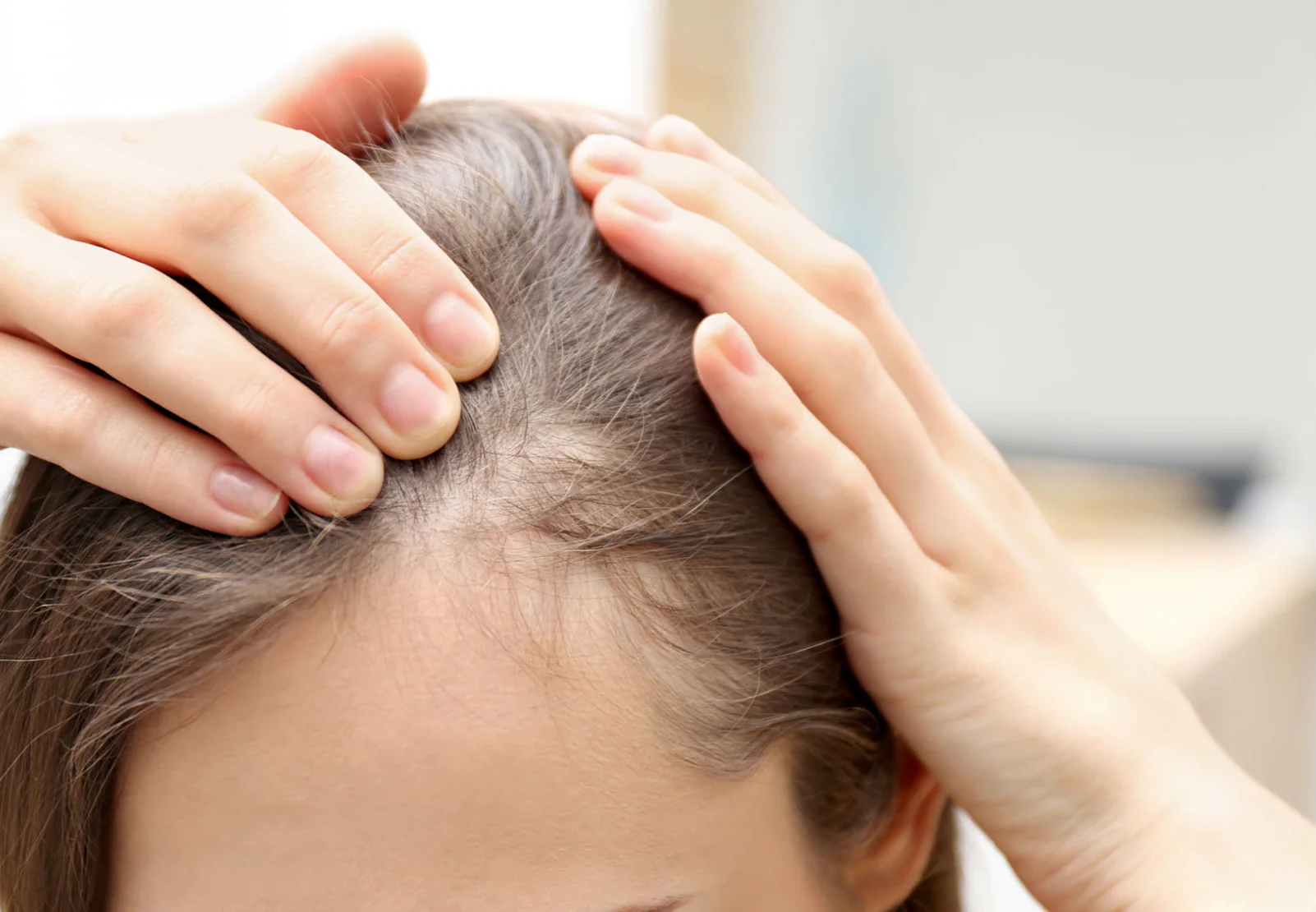
- The Pattern is Specific: In men, thinning begins at the temples and crown. In women, it typically presents as a widening part line and diffuse thinning over the top of the scalp (female pattern hair loss).
- No Sudden Shock: This process is gradual and worsens over years, not months.
Crucial Distinctions: Shedding vs. Thinning
| Characteristic | Excessive Shedding (Telogen Effluvium) | Chronic Thinning (Androgenetic Alopecia) |
| Pace | Sudden onset, rapid volume of loss. | Gradual onset, worsening over the years. |
| Distribution | Diffuse (all over the scalp). | Patterned (widening part, receding hairline, crown). |
| Quality of Hair | The hairs that fall out are usually full-length and thick. | The hairs that grow are finer, shorter, and wispy (miniaturized). |
| Prognosis | Temporary and reversible. | Progressive and requires long-term management. |
The Hair Strand Test: What Does the Bulb Tell You?
When a hair sheds, look at the root.
- If the hair has a small, white bulb at the end, it’s a club hair, a healthy hair that has reached the end of its telogen phase. This is normal shedding.
- If the hair falls out easily without a bulb, or if you see many short, tiny, fine hairs, this may indicate chronic thinning, where the follicle is too weak to grow a strong hair.
Medical Assessment at The Elite Aesthetics
Distinguishing between TE and AGA requires medical expertise. Relying solely on observation can lead to delayed treatment. As a specialized medspa for hair restoration, our approach to hair restoration is rooted in precise diagnosis.
Diagnostic Tools: Blood Work and Scalp Analysis
Your initial consultation includes a comprehensive medical history and physical scalp examination. We utilize advanced techniques like a Dermatoscopy (trichoscopy) to analyze the hair follicle density and look for signs of miniaturization, inflammation, and scarring that cannot be seen with the naked eye. We also often recommend targeted blood work to rule out underlying triggers like thyroid issues, iron deficiency, or high testosterone levels that could be causing TE.
Personalized Non-Surgical Treatment Pathways
Once a diagnosis is confirmed, we can offer targeted, non-surgical solutions that are highly effective for both conditions:
- For TE (Shedding): Focus on identifying and reversing the underlying trigger, combined with nutritional support.
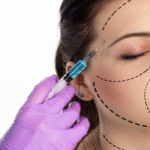
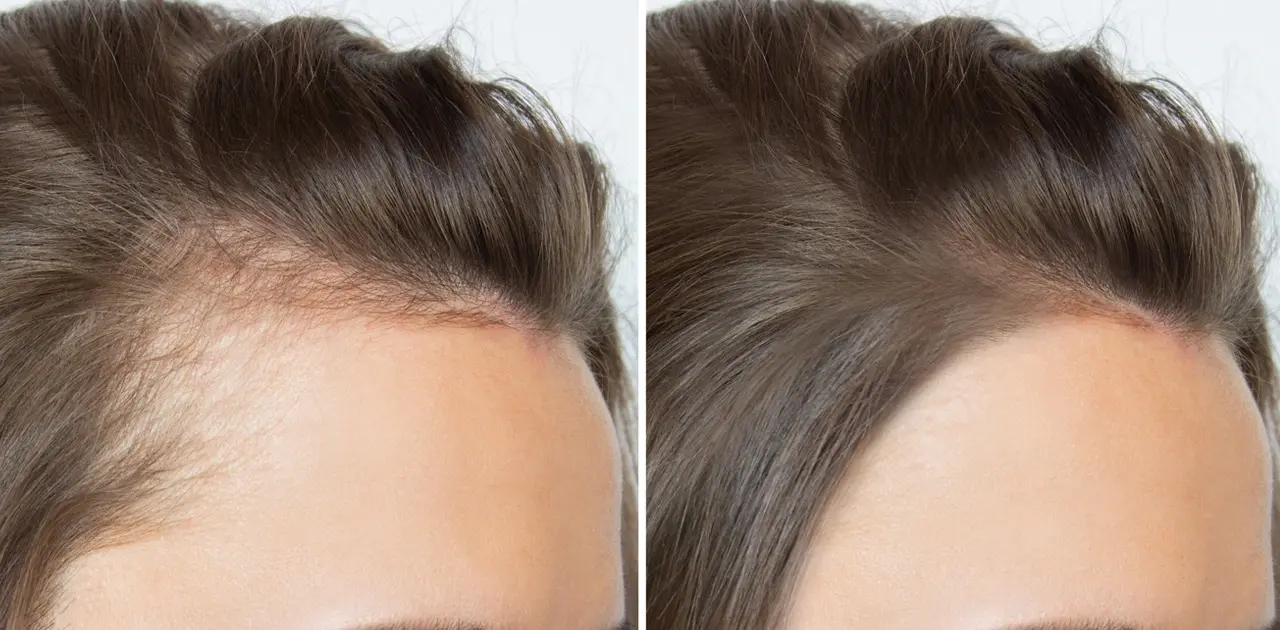
- For AGA (Thinning): Interventions like Platelet-Rich Plasma (PRP) Therapy or Exosome Therapy are used to stimulate dormant follicles, halt miniaturization, and significantly improve hair density and caliber.
Q&A from Our Specialists
Q: Can excessive washing cause more shedding? A: No, washing doesn’t cause shedding, but it makes the naturally scheduled shedding visible. The hairs were already in the telogen phase. Reducing washing will only delay the inevitable shedding, making the next wash look worse.
Q: Can Telogen Effluvium trigger Androgenetic Alopecia? A: TE does not cause AGA. However, a significant shed (TE) can sometimes make underlying, pre-existing AGA more noticeable, as the overall volume drops rapidly. It’s crucial to rule out both simultaneously.
Q: What is the difference between a trichologist and a dermatologist/medspa professional? A: A dermatologist or a licensed medical professional at a medspa can diagnose and medically treat hair loss with prescriptions, injections (PRP), and clinical procedures. A trichologist is a non-medical hair specialist focused on the hair and scalp; they cannot prescribe medication or perform clinical procedures like PRP. For clinical-grade diagnosis and treatment, a medical professional is required.
Conclusion
If you have noticed a significant change in the volume or quality of your hair, the most important step is to stop self-diagnosing and seek professional guidance. Early intervention is the key to maximizing the results of any hair restoration treatment.