
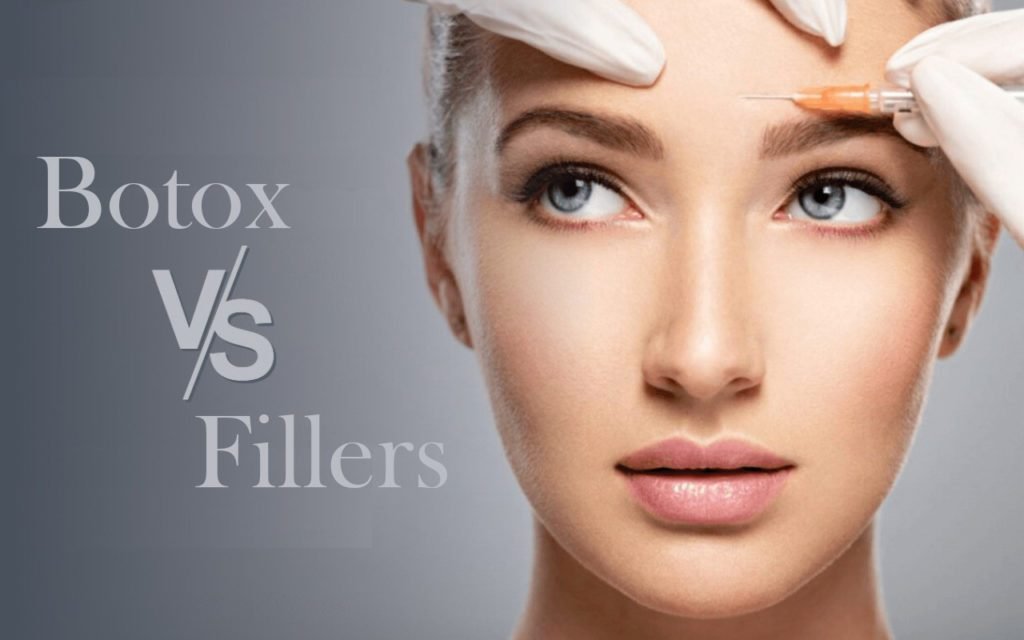
In the ever-evolving world of cosmetic treatments, Botox and fillers have become household names. Both have their unique benefits and are effective in addressing different aspects of aging and skin enhancement. However, choosing between Botox and fillers can be challenging, particularly for individuals who are new to cosmetic treatments. This comprehensive guide aims to provide an in-depth, analytical comparison of Botox and fillers, considering all the factors you need to make an informed decision.
Understanding Botox
Botox, short for Botulinum toxin, is a neurotoxic protein used primarily for its ability to temporarily paralyze muscles. Here’s a detailed look at its aspects:
Pros and Cons of Botox
Pros:
Effective for Dynamic Wrinkles:
Botox is particularly effective for treating dynamic wrinkles – those that form from repetitive muscle movements, such as crow’s feet, forehead lines, and frown lines.
Quick Procedure:
The treatment is relatively quick, often completed within 10-20 minutes, making it convenient for those with busy schedules.
Minimal Downtime:
There is minimal to no downtime, and most individuals return to their regular activities immediately after the procedure.
Proven Results:
Botox has been extensively studied and approved by the FDA for cosmetic use since 2002, offering a proven track record for safety and efficacy.
Cons:
Temporary Results:
Botox effects typically last 3 to 6 months, necessitating regular follow-up treatments to maintain the results.
Limited Treatment Areas:
It is mostly effective in treating lines caused by muscle movement; static wrinkles (due to loss of volume) are not addressed by Botox.
Potential Side Effects:
Side effects, though rare, can include bruising, headaches, or temporary muscle weakness.
Understanding Fillers
Dermal Fillers encompass a variety of substances designed to be injected beneath the surface of the skin to add volume and fullness.
Pros and Cons of Fillers
Pros:
Versatility in Application:
Fillers can be used to enhance volume on various parts of the face, including cheeks, lips, and under-eye areas. They can also be utilized to smooth out deeper, static wrinkles and folds, such as nasolabial folds.
Immediate Results:
The outcomes of filler treatments are typically immediate, so patients leave the clinic with noticeable changes.
Long-lasting Effects:
Depending on the type of filler used (Hyaluronic Acid, Poly-L-Lactic Acid, Calcium Hydroxylapatite), the effects can last anywhere from 6 months to 2 years.
Stimulates Collagen Production:
Some fillers can stimulate the body’s collagen production, leading to longer-term improvements in skin elasticity and firmness.
Cons:
Risk of Allergy:
Although rare, there is a small risk of an allergic reaction, particularly with non-hyaluronic acid fillers.
Potential for Overfilling:
An inexperienced injector can overfill areas, leading to an unnatural appearance. It’s imperative to choose a qualified and experienced practitioner.
Downtime and Recovery:
There may be more significant downtime as compared to Botox, with potential for swelling and bruising that can last up to a week.
Differences in Treatment Areas
Understanding where Botox and fillers are best applied is crucial for optimizing results.
Botox Treatment Areas
Forehead Lines:
Botox effectively softens horizontal forehead lines caused by raising the eyebrows.
Crow’s Feet:
These fine lines at the corners of the eyes can be minimized with Botox.
Frown Lines (Glabellar Lines):
The notorious ’11’ lines between the eyebrows benefit significantly from Botox injections. Filler Treatment Areas
Cheeks:
Fillers can add volume to sunken cheeks, providing a youthful and plump appearance.
Lips:
Lip augmentation using fillers can enhance lip size and shape, correcting asymmetry.
Nasolabial Folds:
These deep lines running from the nose to the corners of the mouth can be significantly softened with fillers.
Under-Eye Hollows:
Fillers are effective in reducing the appearance of dark circles and sunken eyes by adding volume to the tear trough area.
Longevity and Effectiveness
Longevity
Botox:
Typically lasts between 3 and 6 months. The duration can vary based on the area treated and individual muscle activity
Fillers:
- Longevity varies based on filler type:
- Hyaluronic Acid (e.g., Juvederm, Restylane): 6 to 18 months.
- Calcium Hydroxylapatite (e.g., Radiesse): 12 to 18 months.
- Poly-L-Lactic Acid (e.g., Sculptra): Up to 2 years.
- Polymethylmethacrylate (PMMA, e.g., Bellafill): Semi-permanent and can last over 5 years.
Effectiveness
Botox:
Highly effective for reducing the appearance of dynamic wrinkles and preventing new ones from forming. Results can be seen within days, peaking around two weeks after treatment.
Fillers:
Effective for restoring lost volume and smoothing out deeper wrinkles. Immediate results are visible, with further improvements as the filler settles and, in some cases, stimulates collagen production.
Case Studies and Real-Life Examples
Botox Case Study
Case Study:
A 45-year-old female patient sought treatment for moderate to severe frown lines and crow’s feet.
Treatment Approach:
Injected 20 units of Botox into the glabellar area and 15 units around each eye.
Results:
Significant reduction in frown lines and crow’s feet, peaking at two weeks post-treatment. The results lasted approximately four months, with the patient returning for maintenance treatments regularly.
Filler Case Study
Case Study:
A 50-year-old male patient presented with concerns about hollow cheeks and deep nasolabial folds._
Treatment Approach:
Administered 2 syringes of hyaluronic acid-based filler (Juvederm Voluma) into the cheeks and 1 syringe into the nasolabial folds.
Results:
Immediate improvement in facial volume, a more youthful contour, and softened appearance of nasolabial folds. The patient reported high satisfaction and results lasting for approximately 18 months.
Future Trends in Botox and Fillers
Botox
New formulations and techniques are continually being developed to extend the longevity of Botox and minimize potential side effects. Researchers are exploring the addition of muscle relaxants to Botox formulations as well as advancements in micro-needling techniques to enhance efficacy.
Fillers
The field of dermal fillers is also advancing, with innovations such as regenerative fillers that incorporate stem cell technology. These fillers not only provide immediate volume but also promote long-term regeneration of the skin’s own collagen. Furthermore, hybrid fillers combining multiple active ingredients are being investigated for their multifaceted benefits.
Conclusion: Making the Right Choice
Choosing between Botox and fillers ultimately depends on your specific aesthetic goals, treatment areas, and desired longevity.
Consider Botox if you:
- Want to minimize dynamic wrinkles such as crow’s feet, forehead lines, and frown lines.
- Seek a quick, in-and-out procedure with minimal recovery time.
- Are you looking for temporary results, ideal for those new to cosmetic treatments?
Consider Fillers if you:
- Need to restore volume in areas like cheeks, lips, and under-eye hollows.
- Want immediate, longer-lasting results.
- Are you looking to treat deeper, static wrinkles and folds?
Consultation:
A thorough consultation with a qualified and experienced practitioner is paramount. They can assess your skin, discuss your goals, and recommend the best treatment plan tailored to your needs.
By understanding the nuances of both Botox and fillers, you can make a more informed decision and achieve the aesthetic results you desire. Always prioritize safety and quality by choosing certified professionals and keeping abreast of the latest advancements in cosmetic treatments.