
For many women, hair loss can feel isolating and deeply stressful. Unlike in men, where loss is often accepted as a natural progression, female hair loss tends to be diffuse and confusing, often stemming from complex internal changes. At The Elite Aesthetics, we approach female hair loss not just as a cosmetic issue, but as a symptom of an underlying trigger. Understanding the root cause is the critical first step toward effective restoration.
Here is a deep dive into the seven most common culprits behind hair loss in women and how professional diagnosis can lead to targeted, life-changing treatment.
Cause 1: Female Pattern Hair Loss (Androgenetic Alopecia)
This is the most frequent cause of progressive hair thinning in women. It is genetic and hormonal, though it often presents differently than in men.
How Miniaturization Presents in Women (The Widening Part Line)
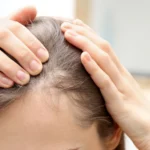
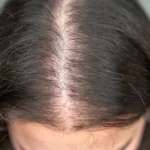
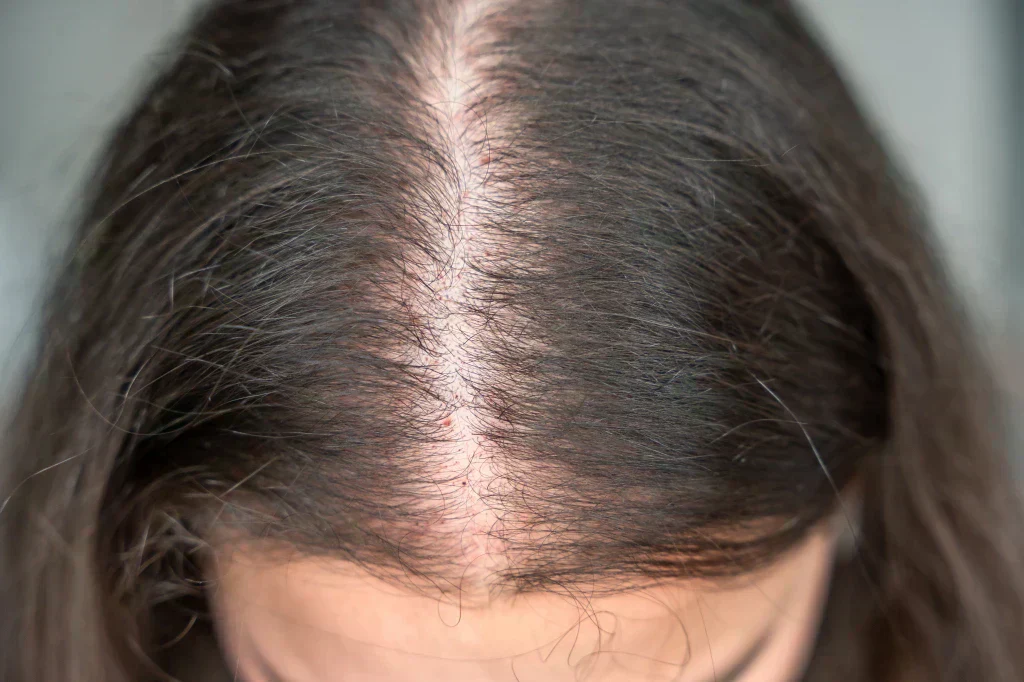
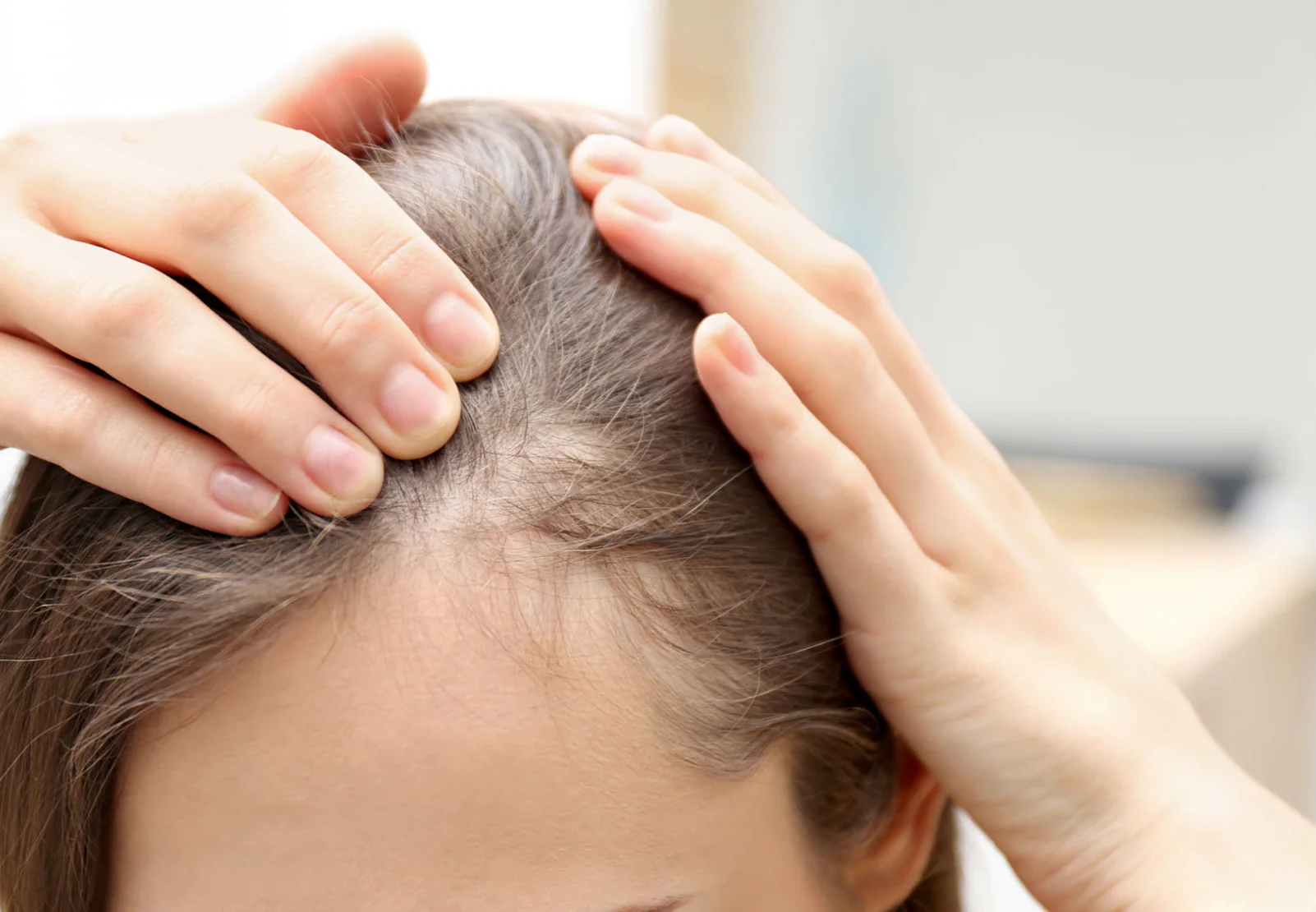
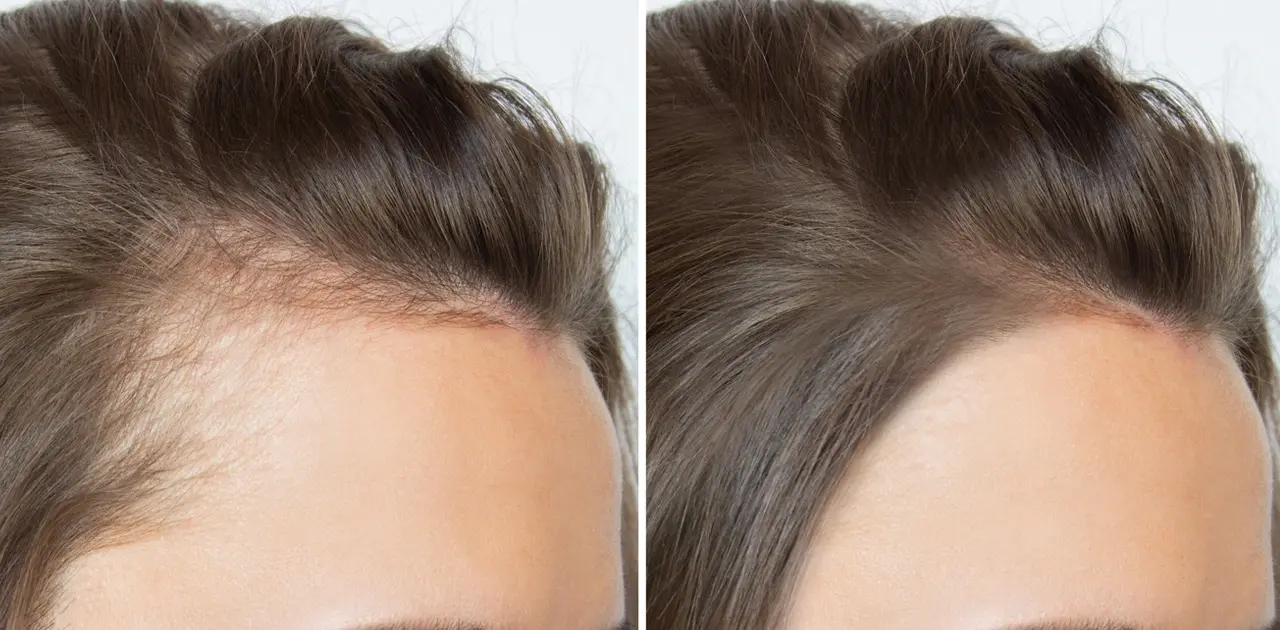
Instead of a receding hairline, Female Pattern Hair Loss (FPHL) typically begins with a widening of the central part line. Over time, the hair on the crown loses density, often forming a “Christmas tree” pattern, wider at the front and tapering toward the back. The hair follicle doesn’t die, but rather shrinks (miniaturizes), causing the growing hairs to become progressively shorter, finer, and lighter in color.
The Hormonal Connection (DHT Sensitivity)
FPHL is driven by the hair follicles’ heightened sensitivity to androgens (male hormones like dihydrotestosterone, or DHT). While women have much lower levels of these hormones, if the hair follicle is genetically predisposed to sensitivity, this progressive thinning will occur over the years. This is a progressive condition that requires long-term management to halt the miniaturization process.
Cause 2: Hormonal Imbalances and Life Events
Major hormonal shifts are the leading cause of Telogen Effluvium (excessive shedding) in women, as they simultaneously shock a large number of follicles into the resting phase.
Postpartum Hair Loss (Telogen Effluvium)
During pregnancy, high estrogen levels keep hair locked in the growth (anagen) phase. Once estrogen levels crash after childbirth (typically 3-6 months postpartum), all those delayed hairs shed at once. This is temporary, and regrowth usually begins within a year.
The Impact of Menopause and Perimenopause
As women approach and enter menopause, estrogen and progesterone levels decline significantly, while the ratio of androgens remains relatively higher. This shift can exacerbate or trigger FPHL, leading to noticeable thinning on the scalp’s crown and vertex.
Polycystic Ovary Syndrome (PCOS)
PCOS is characterized by elevated androgen levels. For women with PCOS, this hormonal environment can trigger or worsen FPHL, causing thinning on the scalp and sometimes leading to unwanted hair growth (hirsutism) on the face or body.
Cause 3: Thyroid Dysfunction (Hypothyroidism and Hyperthyroidism)
The thyroid gland produces hormones critical for regulating metabolism, which directly impacts cell growth, including hair follicles.
The Systemic Link Between Thyroid Hormones and Follicle Function
Both an underactive thyroid (hypothyroidism) and an overactive thyroid (hyperthyroidism) can cause hair loss. Thyroid dysfunction can lead to diffuse, all-over shedding. In severe cases, hypothyroidism can cause the loss of the outer third of the eyebrows, a classic diagnostic sign.
Why Blood Work is Essential for Diagnosis
Thyroid issues are easily identifiable through a comprehensive blood panel (TSH, Free T3, and Free T4). At The Elite Aesthetics, we routinely recommend screening for thyroid issues and often work with clients’ primary care physicians to manage the underlying condition, which is paramount for hair restoration success.
Cause 4: Nutritional Deficiencies
Hair cells are among the fastest-growing cells in the body, requiring a constant and generous supply of micronutrients. Deficiencies can stunt growth and trigger shedding.
The Critical Role of Iron and Ferritin
Iron is arguably the most common nutritional trigger for female hair loss. Iron stores, measured by Ferritin, must be maintained at an optimal level (often higher than what is considered “normal” range for non-hair-related health) to support robust hair growth.
Vitamin D, Zinc, and Biotin: More Than Just Supplements
Low Vitamin D is linked to various autoimmune hair conditions. Zinc deficiency can cause both hair loss and poor quality. While Biotin is popular, it’s rarely the sole cause of loss, but deficiencies in these micronutrients complicate the regrowth process. A medical assessment can confirm if your diet or absorption issues are starving your follicles.
Cause 5: High Stress (Chronic Telogen Effluvium)
While acute stress (like a single traumatic event) causes temporary shedding, chronic, ongoing emotional or physical stress is a relentless hair cycle disruptor.
How Cortisol Disrupts the Hair Cycle
Sustained high levels of the stress hormone cortisol can push a significant number of hair follicles prematurely from the active growth phase into the resting/shedding phase. This constant pressure leads to chronic Telogen Effluvium, where the shedding never seems to resolve fully, causing a slow but steady decline in hair density over time.
The Difference Between Acute and Chronic Stress Shedding
Acute TE starts rapidly and usually resolves within months. Chronic TE is a slow, persistent drop in volume over many years, often making it difficult for the patient to pinpoint the exact onset.
Cause 6: Traction Alopecia and Hairstyling Damage
This is a physical form of hair loss caused by chronic, forceful pulling on the hair roots, common in women who wear very tight hairstyles.
Identifying Damage from Tight Hairstyles (Braids, Buns, Extensions)
Styles like tight ponytails, high buns, cornrows, and heavy extensions put continuous tension on the hair follicles, particularly along the hairline and temples. Over time, this trauma can inflame and permanently damage the follicle, leading to scarring and irreversible loss.
Treatment and Prevention Strategies
The initial treatment is prevention: immediately changing the hairstyle to eliminate tension. If the condition is caught early, treatments like PRP therapy can help reverse the trauma and stimulate regrowth in the strained areas before permanent scarring sets in.
Cause 7: Autoimmune Conditions (Alopecia Areata)
Alopecia Areata (AA) is an autoimmune disorder where the immune system mistakenly attacks healthy hair follicles, often leading to sudden, smooth, circular patches of hair loss on the scalp.
Understanding the Immune System’s Attack on Hair Follicles
AA can manifest as one or two small patches, or, in rare cases, involve total scalp or body hair loss (Totalis or Universalis). The key feature is the sudden onset and the characteristic “exclamation point” hairs found at the edges of the patches.
The Common Presentations (Patches, Spots)
While the hair follicle remains capable of producing hair, the immune response must be managed to allow regrowth. Treatment often involves calming the immune response locally.
Taking the Next Step: Diagnosis and Treatment Options for Women
Due to the myriad causes of female hair loss, self-diagnosis is notoriously unreliable. A single client may be experiencing FPHL exacerbated by an iron deficiency and a chronic stress cycle. A truly effective treatment plan must address all factors.
Why a Comprehensive Assessment Matters
At The Elite Aesthetics, your consultation is designed to uncover every contributing factor. This includes detailed blood work analysis, medical history review, and an advanced trichoscopy (scalp analysis) to measure miniaturization and follicle density.
Non-Surgical Solutions: PRP and Exosome Therapy
Once the cause is confirmed, we can apply targeted therapies. For FPHL and chronic shedding, Platelet-Rich Plasma (PRP) therapy uses your own blood components to deliver powerful growth factors directly to the follicles, stimulating them to return to the active growth phase and reverse miniaturization. Similarly, Exosome Therapy delivers potent cellular messengers to help regenerate the scalp environment. These advanced, non-surgical treatments are often the most powerful tools available for halting progression and restoring density in women.
Q&A for Female Hair Loss
Q: If my hair loss is hormonal (FPHL), can I still get results from PRP? A: Yes, absolutely. FPHL is progressive, but PRP therapy works by overloading the follicles with growth factors, effectively fighting the miniaturizing effects of DHT and prolonging the growth (anagen) phase. It is a powerful non-surgical method for managing and reversing the visible effects of FPHL.
Q: My stylist says my hair is “breaking,” but my doctor says I’m “shedding.” Which is it? A: They are different! Breakage happens when the hair shaft snaps due to damage (heat, chemical processing, dryness). Shedding is when the whole hair strand, including the root/bulb, falls out. If you see short, broken hairs, it’s breakage. If you see long hairs with a tiny white bulb, it’s shedding. A medical exam can confirm if the root is healthy or if there’s a problem deeper down.
Q: Can I take Iron supplements without blood work if I suspect a deficiency? A: We strongly advise against taking high-dose iron without confirmed blood work, specifically a Ferritin test. High iron levels can be toxic. Always consult a physician or specialist who can diagnose the deficiency and prescribe the correct, medically monitored dose to safely restore your levels.