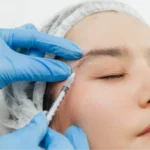


Botox injections have soared in popularity over the past decade, becoming a household name synonymous with facial rejuvenation. From celebrities to everyday individuals, Botox offers an effective way to reduce fine lines and wrinkles, giving people a refreshed and youthful appearance. However, like any medical procedure, Botox injections come with a range of potential side effects that should not be overlooked. This comprehensive guide explores common side effects, provides strategies to manage and minimize them, and explains when it is essential to seek medical help.
What is Botox and How Does It Work?
Botox, scientifically known as Botulinum toxin type A, is a neurotoxin derived from the bacterium Clostridium botulinum. It works by blocking nerve signals in the muscles where it is injected, temporarily paralyzing them and reducing the appearance of lines and wrinkles.
Botox injections are commonly used to:
- Smooth forehead lines
- Reduce crow’s feet around the eyes
- Diminish frown lines between the eyebrows
- Alleviate excessive sweating (hyperhidrosis)
- Treat chronic migraines
Botox’s popularity stems from its minimally invasive nature, relatively quick procedure time, and lack of downtime. However, understanding the potential side effects is crucial for anyone considering this treatment.
Common Side Effects of Botox Injections
Despite being a generally safe procedure when performed by qualified professionals, Botox injections can result in several side effects, ranging from mild to more severe. Here’s a detailed look at the most common ones:
1. Bruising and Swelling
Bruising and swelling are perhaps the most common side effects. This happens because the needle can puncture blood vessels, leading to minor bleeding under the skin.
Management Strategies:
- Pre-Treatment: Avoid blood-thinning medications and supplements, such as aspirin, ibuprofen, and fish oil, at least a week before the procedure.
- Post-Treatment: Apply cold compresses to reduce swelling and avoid alcohol as it can exacerbate bruising
2. Pain at Injection Site
Some individuals may experience mild to moderate pain at the injection sites.
Management Strategies:
- Before the procedure, applying a numbing cream can significantly reduce discomfort.
- After the Procedure, Over-the-counter pain relievers like acetaminophen can be used to mitigate pain.
3. Headache
Post-injection headaches are relatively common and typically mild. They are usually the result of the body’s response to the needle or the toxin.
Management Strategies:
- Adequate hydration before and after the procedure.
- Using a proper technique and ensuring injections are not placed too deeply or superficially can help minimize headaches.
4. Flu-like Symptoms
Some individuals report experiencing flu-like symptoms, such as mild fever, nausea, and malaise, following Botox injections.
Management Strategies:
- Rest and fluids are typically sufficient.
- Consult your healthcare provider if symptoms persist for more than a couple of days.
5. Drooping Eyelids (Ptosis)
Although rare, one of the more concerning side effects is ptosis, or drooping of the eyelids. This occurs if the Botox migrates beyond the treatment area.
Management Strategies:
- Application: To avoid ptosis, always engage a well-trained and experienced practitioner who understands facial anatomy.
- Positioning: Stay upright for at least four hours post-treatment and avoid vigorous exercise for at least 24 hours to prevent the toxin from spreading.
6. Dry or Excess Tearing in Eyes
Botox can affect the function of the muscles around the eyes, leading to dry eyes or excessive watering.
Management Strategies:
- Lubrication: Use eye drops to alleviate dryness.
- Application: Ensure precision in injection to minimize the spread of Botox to unintended muscles.
7. Allergic Reactions
Allergic reactions, though rare, can happen and may include itching, rash, or even anaphylactic shock in severe cases.
Management Strategies:
- Pre-Assessment: Conduct an allergy test if you have a history of allergic reactions to medications.
- Immediate Help: Seek medical attention immediately if you experience severe allergic reactions.
8. Nausea
Some individuals might feel slightly nauseous after their Botox treatment.
Management Strategies:
- Ensure you have a light meal before the procedure.
- Rest if you feel unwell post-treatment, and stay hydrated.
9. Muscle Weakness
Systemic effects, such as generalized muscle weakness, can occur but are extremely rare.
Management Strategies:
- Precise Injection Techniques: Ensure injections are correctly administered to avoid systemic absorption.
Minimizing and Managing Botox Side Effects: Best Practices
To minimize and manage the side effects of Botox, adopting a proactive approach is crucial. Here’s a detailed guide to best practices:
1. Choose a Qualified Practitioner
Importance: The experience and skill level of the practitioner play a significant role in minimizing side effects. Always opt for a board-certified dermatologist or plastic surgeon with extensive experience in administering Botox.
Tips:
- Check credentials and reviews of the practitioner.
- Ask for before-and-after photos of previous clients
2. Pre-Treatment Preparations
Importance: Proper preparation can significantly reduce the likelihood of adverse effects.
Steps:
- Avoid alcohol and blood-thinning medications a week before the procedure.
- Discuss any medical history or ongoing treatments with your practitioner to ensure Botox is suitable for you.
3. Post-Treatment Care
Importance: Adequate post-treatment care can prevent complications and expedite recovery.
Steps:
- Follow your practitioner’s aftercare instructions meticulously.
- Avoid strenuous activities, extreme heat, and rubbing the treated area for at least 24 hours.
- Use recommended topical or oral medications to address any side effects.
4. Hydration and Nutrition
Importance: Staying hydrated and maintaining good nutrition supports overall healing and reduces side effects.
Tips:
- Drink plenty of water before and after the procedure.
- Eat a balanced diet rich in vitamins and minerals that promote skin health.
5. Monitoring and Follow-Up
Importance: Monitoring your response to the treatment can help quickly address any adverse effects.
Steps:
- Keep a close eye on the treated area for any unusual symptoms.
- Schedule follow-up appointments with your practitioner to monitor progress and address any issues.
When to Seek Medical Help
While most Botox side effects are mild and resolve on their own, certain symptoms require immediate medical attention. Understanding when to seek help is critical to your health and safety.
1. Severe Allergic Reactions
Symptoms:
- Difficulty breathing
- Swelling of the face, lips, or throat
- Severe rash or hives
2. Vision Problems
Symptoms:
- Blurred or double vision
- Drooping eyelids that worsen over time
3. Muscle Weakness
Symptoms:
- Generalized muscle weakness beyond the injection site
- Difficulty swallowing or breathing
4. Persistent Side Effects
Symptoms:
- Side effects lasting longer than expected (more than a week)
- Increasing pain or swelling at the injection site
If any of these symptoms are present, contact your healthcare provider immediately or visit the nearest emergency room.
Conclusion:
Botox remains a popular and effective cosmetic treatment for reducing the appearance of wrinkles and addressing several medical conditions. By understanding the potential side effects and how to manage them, individuals can enjoy the benefits of Botox with minimal risk.
Implementing a proactive approach, from choosing a qualified practitioner to diligent post-treatment care, significantly minimizes side effects. Remember that while Botox is generally safe, being well-informed and prepared ensures you can address any issues swiftly and effectively.
Taking control of your treatment journey by educating yourself and adhering to best practices empowers you to experience the rejuvenating benefits of Botox with confidence and peace of mind.
By adhering to this comprehensive guide, individuals seeking Botox treatments can make well-informed decisions, manage side effects effectively, and optimize their treatment outcomes. This article, with its detailed and factual approach, aims to outshine competing content by providing valuable and actionable insights tailored to the needs of potential Botox clients.